School of Social Work
The School of Social Work focuses on Indigenous, structural, critical feminist, anti-oppressive, and anti-racism perspectives with northern, rural, remote, Indigenous, and Franco-Ontarian communities.
The BSW is a professional program accredited by the Canadian Association for Social Work Education (CASWE). Students who graduate from our program are eligible to register as professionals with the Ontario College of Social Workers and Social Service Workers (OCSWSSW). Many employers require registration with the OCSWSSW.
For more information on how to get started and applying at the School of Social Work, please contact [email protected]. We can’t wait to chat with you!
The School of Social Work at Algoma University offers academic excellence for professional education in Sault Ste Marie and in Timmins. Graduates of the four-year Bachelor of Social Work degree are prepared to practice anti-oppressive social work at the entry-level with diverse populations in a Canadian context and are introduced to anti-racism perspectives. Our programming was developed in consultation with various local employers in Sault Ste. Marie and Timmins, who have cited a growing need for employees. For this reason, our programming is designed to help fulfil the need for social workers in northern, rural, and remote regions.
We are aware of the impact that colonial actions, legislation, policy and institutions, including Residential Schools and child welfare systems, have on Indigenous Peoples, and we are committed to preparing students to critically reflect on how their work as future social workers has a role in working to move forward for a better future. The School of Social Work is committed to playing its role in addressing the Calls to Action that have been made by the Truth and Reconciliation Commission.
Social Work Program Mission and Principles
The mission of the School of Social Work at Algoma University is to deliver a BSW program that prepares students for generalist practices in anti-racist, anti-colonial, Indigenous, structural, critical feminist, and anti-oppressive social work practice. Graduates will be able to practice critical anti-oppressive social work in ways that are ethically informed and directed toward advancing equity, equality, and social justice with Black, Indigenous, two-spirit, lesbian, gay, bisexual, transgender, queer, questioning, intersex, asexual, individuals who express their gender and sexuality in other ways outside heteronormativity and the gender binary (2SLGBTIQ+), Northern, Francophone, as well as other marginalized groups and remote communities. We acknowledge the intersectional realities of these dynamic identities and recognize that these experiences interlock in complex ways. Our faculty engages in collaborative community research, practice and teaching initiatives and engagement. You will be expected to participate and engage with the faculty and other students in enriching experiential learning in our program.
The Social Work Program’s mission statement and program delivery is well embedded in the university’s strategic objectives in line with Canadian Association for Social Work Education (CASWE), and is committed to:
- Social justice, social equity, reconciliation, community healing and social change based on humanitarianism and egalitarianism.
- Dismantling anti-Indigenous racism, anti-Black racism, anti-Asian racism and issues of marginalization based on race, gender, class, sexuality, ability, age, religion and other forms of oppression by engaging with anti-colonial and anti-oppressive practices and other liberation discourses that value ethical inclusivity, diversity, respect and the dignity and worth of all people.
- Highlighting Indigenous knowledge and approaches, and to affirm histories that continue to be neglected and silenced. We problematize colonialism in its historic and ongoing guises.
- Developing professional cultures that bring together teaching faculty, field instructors, students, alumni and social workers in the field, from diverse geographical and spatial locations, for example, South Porcupine (Timmins), and Sault College in Sault Ste. Marie, as partners in the realization of the BSW program’s mission within the mission of the university.
- Our teaching, learning, practice, and research being guided by the CASWE code of ethics, and the seven grandfather teachings.
- Multiple epistemological practices and pedagogical approaches that employ inclusive, interactive lectures; learning circles and circle work; small group work; work integrated learning, small group exercises; hands-on skills-based practice learning in areas of individual, couple, group work, family and community practice; video; podcasts, case studies; simulated experience; community visits; engagement with community activism guest presentations; student presentations; and both culture, and land-based instruction, and other forms of experiential learning.
- Developing partnerships with other colleges, communities, organizations and other local and international stakeholders.
- Working with, and advancing the accreditation standards of the Canadian Association for Social Work Education at the BSW level.
Our Social Work Program
Students can expect opportunities for personal, academic, and professional growth through our small class sizes and one-on-one interactions with dedicated faculty who are active in their fields of research.
Find out more
Three Unique Campus Locations
The Sault Ste. Marie campus is located in the heart of the Great Lakes, while the Timmins campus is located on the Mattagami River; each providing truly unique northern experiences. Both locations have cited a growing need for employees. For this reason, our program is designed to help fulfill the need for social workers in northern, rural and remote regions. The Brampton campus is a lively city in the Greater Toronto Area and offers an urban option for students.

Special Mission
Algoma University is committed to being a welcoming, inclusive, safe, and respectful learning community; one that values the opportunities to learn from and with students, staff and visitors from all parts of the world. This is what makes Algoma University such a special place.
Learn More

Field Placements
As part of any BSW program found in Canada, all students must successfully complete 700 hours of field placement. If you are a college graduate or have work experience, you may be eligible for a reduction in your field practicum hours.
Learn MoreMeet Our Team
Meet the faculty and staff members of the School of Social Work
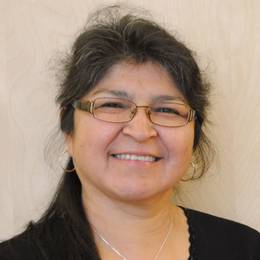
Meghan Boston-McCracken, MSW, RSW
Social Work Field Education, Admissions and Community Engagement Coordinator
View Contact InfoDr. Rose Cameron
Associate Professor
[email protected]
705-949-2301, ext. 4355
Office: SH 501
Credentials: BA, HBSW, BEd, MSW (Lakehead University), PhD (University of Toronto)
Meghan Boston-McCracken, MSW, RSW
Social Work Field Education, Admissions and Community Engagement Coordinator
[email protected]
705-949-2301, ext. 1079
Office: SH 515B
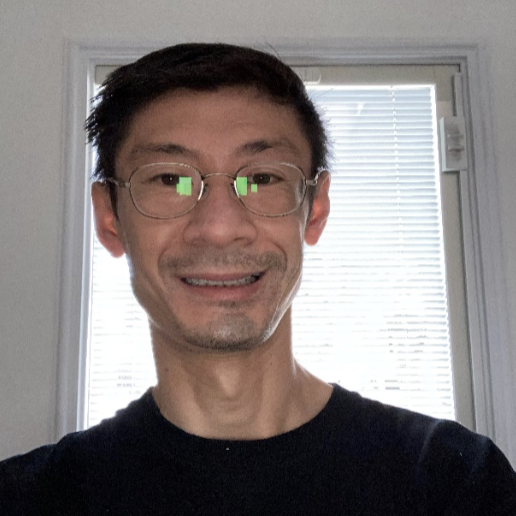
Dr. Walter Chan, MSW, PhD
Assistant Professor
Assistant Professor
School of Social Work
Walter was born in Hong Kong and has lived in Canada since the age of seven. Walter has lived in Vancouver, Winnipeg, Brandon, MB, and now Sault Ste. Marie, where he is heartened to remain within Anishinaabe aki. He holds a PhD in Social Work from the University of Manitoba. His PhD dissertation was about leadership practices in the psychiatric consumer and
survivor movement in Canada. Walter is a childhood abuse survivor and a current user of psychiatric services, and he learned peer support approaches within the disability movement. He is currently a member of the National Network for Mental Health, where he serves as co- chair, and the Alberta Network for Mental Health. In addition, he is active in the environmental movement, notably 350.org, Manitoba Energy Justice Coalition, and Greenpeace. Walter assists Anishinaabe, Nehiyaw, Secwepemc, and Wet’suwet’en land defenders through street demos, fundraising, and video content. Walter is learning Anishinaabemowin and thanks Anishinaabeg elders and teachers for their generous guidance.
Research Interests:
- Upcoming photovoice study on the wellbeing of youth climate activists and Indigenous land defenders
- Indigenous leadership and the Canadian disability movement
- Neoliberalism and the commodification of mental health
- Consumer, survivor, and ex-patient leadership and mental health recovery in rural Alberta and northern Ontario
Publication:
Peer Reviewed:
- Thompson, K., Chan, W., & Cohen, E. (2023). How funding mix changes impacted the National Mental Health Inclusion Network.Canadian Journal of Nonprofit and Social Economy Research, 14 (1), 89-94.
- Chan, W. (in press). Psychiatric consumers and survivors’ (lackluster) engagement with Indigeneity, diversity, and anti-racist thought. In D. Nyaga & R. Torres (Eds.), Reimagining Mental Health and Addiction Under the Covid-19 Pandemic, Volume 3: The Covid-19 Pandemic, Mental Health, and Colonialism. London, England: Springer Briefs.
- Chan, W. (2021). What’s pain got to do with it? Toward a consumer – survivor epistemology. Submitted to the Review of Disability Studies.
- Chan, W. (in press). Commodifying mental health: Brand culture and psychiatric consumer and survivor activism. In M. Jeffress (Ed.), Palgrave Handbook on Communication and Disability.
- Chan, W. (2020). Neoliberalism and consumer and survivor leadership. Revised, resubmitted to Disability Studies Quarterly.
- Chan, W. (December 2019). Indigenous leadership and the Canadian disability movement. Submitted to Disability Studies Quarterly.
- Chan, W. (2018). Solidarity and heart – the development of structural social work: A critical analysis. Critical Social Work, 19, 21-41.
Non-Peer Reviewed:
- Chan, W., & Sesula, D. (2020). The state of the art in consumer and survivor leadership. Saint Catherine, ON: National Network for Mental Health.
- Hutchison, C., Beaudoin, E., Carr, A., Janz, H., Dossetor, J., Hansen, M., Chan, W., Rempel, Z. (2018). A response to Medical Aid in Dying legislation. Irricana, AB: Alberta Network for Mental Health
- Chan, W. (2016). [Review of the book Environmental social work by M. Gray, J. Coates, & T. Hetherington]. Socialist Studies, 11. Retrieved from socialiststudies.com
- Chan, W. (2014). The American [consumer and survivor] movement. West Coast Mental Health Network: Networker. Retrieved from http://wcmhn.org/wcmhn-Networker-Summer-2014.pdf
- Chan, W. (2006). Community sex offender treatment programs in Winnipeg: Organizational dynamics and frontline work. Ontario Halfway House Association. Retrieved from http://ohhaonline.ca/OHHA%20May%202006%20eNewsletter.pdf
Community Engagement:
- Liaison and participant with various disability and consumer, survivor, ex-patient organizations (Independent Living Centers, West Coast Mental Health Network, Mood Disorders Association BC)
- Supporter of various environmental and Indigenous land defense groups (Anishinaabe, Nehiyaw, Secwepemc, and Wet’suwet’en)
- Participant in various Anishinaabemowin programs
- Volunteer with United Church of Canada working group on climate action and Indigenous sovereignty
WORKS IN PROGRESS:
Chan, W. (work in progress). A hopeful revolution: Reconsidering consumer and psychiatric survivor leadership. The book proposal submitted to Routledge accepted. Anticipated publication date spring 2025.
Dr. Jessica E. Ticar
Assistant Professor
Email: [email protected]
Jessica E. Ticar, PhD, RP, CCC, is an interdisciplinary scholar, a Registered Psychotherapist (RP) with the College of Registered Psychotherapist Ontario (CRPO), and a Canadian Certified Counsellor (CCC) with the Canadian Counselling and Psychotherapy Association (CCPA). Since 2008, she has worked in various social service and community mental health agencies with diverse youth, children, communities, individuals, groups & families. Her scholarly interests include work with anti-racist & anti-oppressive practice, critical mental health theory & practice, and transnational migration with racialized children, youth, and families.
Select Peer-Reviewed Publications
Books
Ticar, J. (2025). Transnational Filipina/o/x Youth, Intersectional Identities, and
School-Community Partnerships : The Gendered Vulnerabilities of Migration in Canada.
Routledge. https://doi.org/10.4324/9781003287469
Edited books
Ticar, J.E. (2024). Covid-19 & Filipinos in Canada: Mental health care praxis in D. Nyaga & R.A.
Torres (Eds.)., Reimagining Mental Health and Addiction Under the Covid-19 Pandemic, Volume
1: The Covid-19 Pandemic, Mental Health, and Ethnicity. Cham, Switzerland: Springer Nature
Switzerland AG
Peer-Reviewed Journals
Ticar, J. E. (2024). Im/migration, mental health and well-being, and newcomer Filipino families:
implications for anti-racist and anti-oppressive policies and practice. Journal of Ethnic and
Migration Studies, 1–15. https://doi.org/10.1080/1369183X.2024.2390057
Ticar, J.E. & Edwards, F. (2022). Intersectional analyses of Black and Filipino youth mental
health: Implications for holistic community-based interventions. Intersectionalities: A Global
Journal of Social Work Analysis, Research, Polity, and Practice.
https://doi.org/10.48336/IJIEYD8705
Ticar, J. E. (2018). Embodied transnational lives among Filipina/o/x youth in urban educational
spaces. Gender, Place & Culture, 25(4), 612–616.
https://doi.org/10.1080/0966369X.2018.1461079
Dr. Suleyman Demi, Ph. D.
Assistant Professor, School of Social Work
Dr. Suleyman Demi, Ph. D.
Assistant Professor
School of Social Work
Email: [email protected]
Suleyman M. Demi is an educator, researcher and environmental activist who has dedicated his work to addressing issues affecting society’s marginalized population. Prior to his appointment, he was a Postdoctoral Fellow at the Faculty of Medicine at the Dalhousie University in Halifax, Nova Scotia. His research interest is multidisciplinary, stemming from
Indigenous health and food systems, sustainable food and environmental practices, health equity, social determinants of health, environmental justice, and rural development. Dr. Demi currently focuses on issues around social justice, food sovereignty, housing and income inequalities that disproportionately affect the marginalized population. He was a Postdoctoral Fellow at the Department of Health and Society at the University of Toronto Scarborough and a Senior Doctoral Fellow at the Department of Africa Studies of the New College of the University of Toronto, where he contributed to the department’s work. He has authored and co-authored articles on health equity, food security, chronic illnesses etc. and co-edited books on African proverbs and retheorizing anti-colonial. Dr. Demi has won several awards, including most recently the African Scholars Emerging Academic Award, The Lisa Robinson Award for Excellence in Research, and the 2019 Gordon Cressy Student Leadership Award, from the University of Toronto. His current research critically explores the health equity challenges of Black healthcare providers and users in the Greater Toronto Area.
PUBLICATIONS
EDITED BOOKS
-
- Dei, G. J. S. & Demi, S. M. (eds) (2021). Theorizing the ‘anti-colonial. New York, NY: Dio Press Inc.
- Dei, J. G. S., Darko, I. N., MacDonell, J., Demi, S. M. & Akanmori, H. (eds) (2018). African proverbs as epistemologies of decolonization. New York, NY: Peter Lang.
SELECTED PEER REVIEWED JOURNAL ARTICLES
-
- Asirvatham, R. Demi, S. M, Ezezika, O. (2022). Are Sub-Saharan African national food and agriculture policies nutrition-sensitive? A case study of Ethiopia, Ghana, Malawi, Nigeria, and South Africa. Outlook on Agriculture (Accepted – in press).
- Demi, M, S. & Sicchia, S. R. (2021). Agrochemicals use practices and health challenges of Smallholder farmers in Ghana. Environmental Health Insights. 15: 1-11. DOI: 10.1177/11786302211043033
- Demi, M, S (2016). Traditional ecological knowledge: Implications for natural resource management. Journal of Management and Applied Sciences, Vol. 2(3), 103-109.
- Kuwornu. J.K.M & Demi, S. M (2013). Assessing the degree of food insecurity among farming households: Evidence from the Central Region of Ghana. Research on Humanities and Social Sciences. Vol. 3(3), 51-61.
- Kuwornu, J.K.M., Demi. S. M & Amagashie, D.P.K (2013). Comparative analysis of food security status of farming households in the coastal and the forest communities of the Central Region of Ghana. Asian Journal of Empirical Research 3(1), 39-61.
- Kuwornu, J.K.M., Demi, S. M & Amagashie, D.P.K. (2013). Analysis of food security status of farming households in the forest belt of the Central Region of Ghana. Russian Journal of Agricultural and Socio-Economic Sciences, 1(13), 26-42.
PEER REVIEWED BOOK CHAPTERS
-
- Demi, S. M. (2021). Local Ghanaians’ Resistance Against GM Crops. G. J. S. Dei, & Demi, S. M. (eds), Theorizing the ‘anti-colonial (pp.126-139). New York, NY: Dio Press Inc.
- Dei, G. J. S. & Demi, S. M. (eds) (2021). Reframing the “Anti-Colonial” for New Futures: An Introduction. In G. J. S. Dei, & Demi, S. M. (eds), Theorizing the ‘anti- colonial (pp.1-13). New York, NY: Dio Press Inc.
- Demi, S. M. (2019). Reclaiming cultural identity through decolonization of food habits. In Wane, N, Todorova, M. & Todd, K. L. (Eds), Decolonizing the spirit in education and beyond: Resistance Solidarity Indigenous pedagogies and cultural resistance in education (Pp.117-136). Cham, Switzerland: Palgrave Macmillan.
- Demi, S. M. (2017). Using African Indigenous Food Crops as local remedy against chronic diseases: Implications for healthcare systems in Ghana. In Kapalanga, J. & Fymat, A. L. (eds), Science research and education in Africa: Proceedings of a conference on science advancement (pp 198-226). Cambridge Scholars Publishing.
- Kuwornu, J. K. M., Demi, S. M & Amagashie, D. P. K (2014). Food security status and coping strategies of farming households: Evidence from the Central Region of Ghana. In Seini, A. W., Egyir, I. S. & Kuwornu, J. K. M. (Eds), Developments in agricultural economics and contemporary issues in Ghana (p.101-115). University of Ghana Readers, Agricultural Science Series, Volume 2. Tema, Ghana: Digi Books.
SCHOLARSHIP, HONOURS, AND AWARDS
-
- 2022 – Postdoctoral Fellowship, Dalla Lana School of Public Heal University of Toronto ($70,000) (declined)
- 2022 – Black Health Collaborate Postdoctoral Fellowship, Dalhousie University, Halifax, Nova Scotia, Canada, ($62,000).
- 2021- “Increasing Participation of Black Communities in Toronto in COVID-19 Vaccine Uptake”, Public Health Agency of Canada, [with Dr. Jacobet Wambayi, Professor David Zakus, Debbie Spicer, Mercy Iyamu] ($5,000).
- 2020-2022: UTSC Inclusive Excellence Postdoctoral Fellowship, University of Toronto Scarborough, Toronto, ON. ($135, 964).
- 2019 – African Scholars Emerging Academic Award, African Alumni Association of University of Toronto, Toronto, ON.
- 2019 – The Lisa Robinson Award for Excellence in Research, Black Graduation, University of Toronto, Toronto, ON. ($500).
- 2019: -2019 Gordon Cressy Student Leadership Award, School of Graduate Studies, University of Toronto, Toronto, ON.
- 2018 – Senior Doctoral Fellow, Department of African Studies, New College of the University of Toronto, Toronto, ON. ($1,500).
- 2018 – Doctoral Completion of Award, Department of Social Justice Education, University of Toronto, Toronto, ON. ($6,000).
- 2018- Travel Research Grant, School of Graduate Studies, University of Toronto, Toronto, ON. ($2,779).
- 2014-2018- Doctoral Funded Student Scholarship, School of Graduate Studies, University of Toronto, Toronto, ON. ($156,297).
- 2017- Travel Research Grant, School of Graduate Studies, University of Toronto, Toronto, ON. ($3,100).
- 2013-2014: Masters Funded Student Scholarship, School of Graduate Scholarship, University of Toronto, Toronto, ON. ($38,356).
- 2016 – George Burwash Langford Award for the 2015-2016 academic year. Award in recognition of Excellence in Environmental Research and Leadership, School of the Environment of the University of Toronto, Toronto, ON. ($500).
- 2015 – The Green Saver Alastair Fairweather Memorial Award in the Environment for 2014/2015 Academic year, School of the Environment, University of Toronto, Toronto, ON. ($1,100).
Ongoing Projects
-
- Critical Exploration of the Effects of the COVID-19 Pandemic on Food Security Status and Wellbeing of the Black Communities in Scarborough. Working with Professor George J. S. Dei and Professor Suzanne R. Sicchia.
- Co-Investigator (SSHRC Insight Grant): Building Back Better from Below (B4): Harnessing Innovations in Community Response and Intersectoral Collaboration for Health and Food Justice Beyond the COVID-19 Pandemic. [with Dr. Alex Shankland and team, IDS, University of Sussex, UK; Vera Schattan P. Coelho and Team, University of Sao Paulo, Brazil, and Dr. Suzanne Sicchia, Dr. Erica Di Ruggiero, Dr. Bettina von Lieres, Dr. David Roberts, Mr. Liben Gebremikael, University of Toronto.
Pamela Lefave
Part-time Faculty
I am a graduate of the BSW program at King’s College, University of Western Ontario and the MSW program at the University of Calgary where my degree specialized in Clinical Social Work. Following graduate studies I was employed as a Clinical Social worker for 18+ years. Areas of focus in my clinical practice included working in the areas of Violence against Women, Partner Assault Response, Adults convicted of Sexual Offences and EAP work. I have extensive experience in program development and implementation and working with individuals, couples, families and groups. In 2016, I moved into a management role as the Director of Services at Canadian Mental Health Association Algoma where I am presently employed. I have been a part-time faculty member in the School of Social Work at Algoma University since January 2013. I have enjoyed teaching multiple courses including:
SWRK 1006 – Introduction to Social Welfare
SWRK 1007 – Introduction to Social Work
SWRK 2356 – Basic Helping Skills in Social Work Practice
SWRK 3596 – Social Work Philosophy and Ethics
SWRK 3606 – Social Work with Victims of Abuse
SWRK 4600 & SWRK 4605 – Field Practicum
SWRK 4596 (formerly SWRK 4004) Field Integration Seminar
Sabrina Lepage
Sessional Instructor
Credentials:
BSW from Laurentian University
MSW from The University of Windsor
I have been teaching sessional contracts with Algoma university since 2015. I also work full time for District School Board Ontario North East as a Registered Social Worker since 2011. Right out of grad school, I worked in PEI as the province’s French Child Protection Social Worker. Currently teaching SWRK 2356 and SWRK 2107 for the Fall 2022 semester.
Christine Raycraft
Faculty Liaison for Field Placement
christine.
Credentials: M.S.W., R.S.W. (Registered Social Worker)
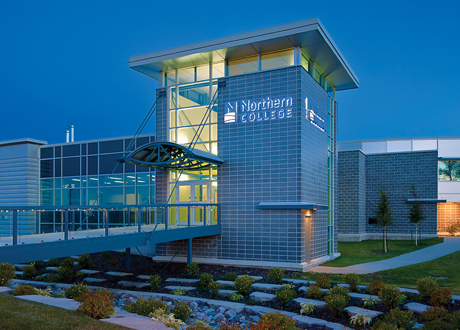
History & Work: Previous work experience in child protection and legal services. Currently working as a full-time professor at Northern College in the Community Services Department. I am also the Coordinator for the Social Service Worker program at Northern College.
Current Algoma Position: Faculty Liaison for Field Placement; not currently teaching a course at Algoma University.
Tara Duclos
Field Education, Admissions & Engagement Coordinator
Tara Duclos, B.A., BSW, MSW, RSW, Field Education, Admissions & Engagement Coordinator, Timmins Campus
Email: [email protected]
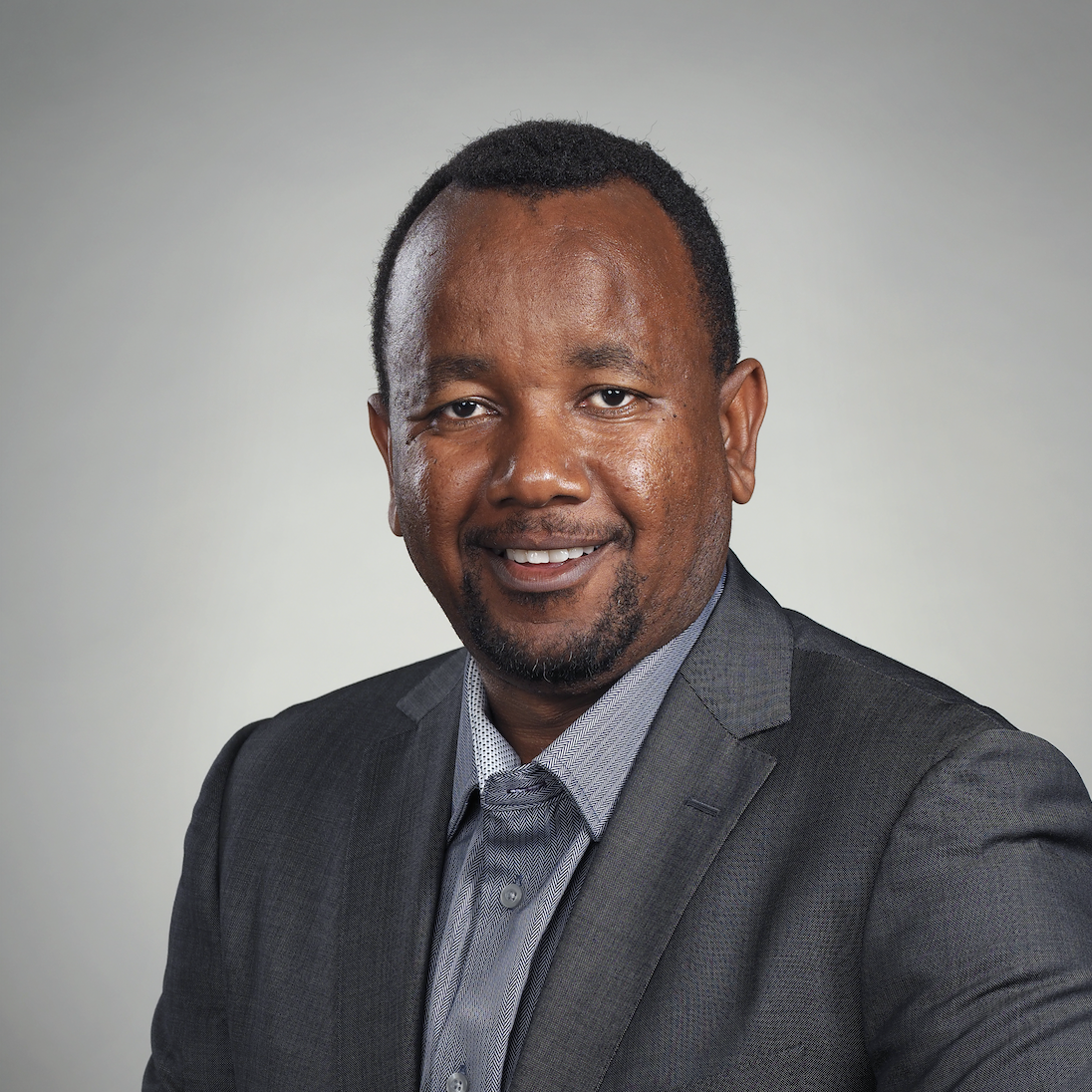
Dr. Dionisio Nyaga, MSW, Ph.D.
Assistant Professor
Dr. Dionisio Nyaga, BSW, MSW, PhD
Assistant Professor
School of Social Work, Timmins Campus
Email: [email protected]
Dr. Dionisio Nyaga has a Ph.D from Social Justice Education/SESE/University of Toronto. He is an Assistant Professor at Algoma University-School of Social Work-Timmins campus. His research practice and teaching interests are in the areas of ethical and moral philosophy in research, critical reflexive methodologies, Afro-pessimism, gender studies, anti-oppressive practice and teaching, psychic methodologies of care, textual analysis , African studies ,Black and Blackness, Black masculinities, spiritualities, transnational and transcultural studies. He has co-edited a book on ethical responsibilities and duties of researcher dubbed Critical research methodologies: Ethics and responsibilities. In 2023 he co-Edited a research based book project dubbed “ Critical Reflexive Research Methodologies. He is also a co-editor for 3 volumes with Springer publishing titled :
- Reimagining Mental Health and Addiction Under the Covid-19 Pandemic, Volume 1, The Covid-19 Pandemic, Mental Health, and Ethnicity
- Reimagining Mental Health and Addiction Under the Covid-19 Pandemic, Volume 2, The Covid-19 Pandemic, Mental Health, and Black/Afro Identity
- Reimagining Mental Health and Addiction Under the Covid-19 Pandemic, Volume 3, The Covid-19 Pandemic, Mental Health, and Colonialism
He has been the proponent and chair of the International Conference on Mental Health and Addictions. He served as the master of social work development committee member. He is currently the chair for Curriculum Committee (CURCOM) as well as senate member at large. He has been a Board of Governor at Algoma University.
Research projects
- Principal investigator: Principal investigator: Effects of Covid-19 on Black African homeless Youth in Toronto. Co-Investigator -Marginalized Homeless Youth during COVID-19. Funded by FCS COVID-19 rapid response research grants, Onishenko D, Nyaga, D & Torres R.
- Co-investigator: “Effects of Covid-19 on Teaching, and Learning: Stories of Indigenous and Racialized Faculty Members and Students at Algoma University”, Funded by SSHRC Institutional Grant-Nyaga D & Torres R.
- Co-investigator, (insight grant applied). People of African Descent and the Recommendation for Afrocentric Education in Canada: A path towards inviting an exploration of Afrocentric Paradigm into social work education and practice in Canada. (Samnoma, V. Nyaga, D., M, King, R, Notish, M, Duhaney, P)
Publications
Books:
- Nyaga, D, & Torres, R. (2021). Critical research methodologies: Ethics and Responsibilities. Brill.
- Wane, N.., Torres, R. & Nyaga, D. (Eds.) (2019). Transversing and Translocating Spiritualities: An Epistemological, Theoretical, and Pedagogical Conversations. Nsemia Publishers. Nyaga, D (2015). Disturbing masculinity. Lap Lambert Academic publishing.
Peer-Reviewed Journal Articles:
- Torres, & Nyaga, D. (2016). Discussion of Power through the Eyes of the Margins: Praxis of Post-colonial Aeta Indigenous Women Healers in the Philippines. International Journal of Asia-Pacific Studies, 12(2), 31–56. https://doi.org/10.21315/ijaps2016.12.2.2
- Torres, R. & Nyaga, D. (2015). The Politics of Cultural Representation. Sociology Study Journal, vol. 5, no.9. doi: 10.17265/2159-5526/2015.09. Peer reviewed book chapters
- Torres, R., Nyaga, D. (2021). Critical Reflexivity Framework on Theorizing Asian Canada. In Torres, R., Leung, K., Soepriatna, V. (Eds.), Outside and In-Between: Theorizing Asian Canadian Exclusion and the Challenges of Identity Formation. Brill Publisher, Studies in Critical Social Sciences series. 9-20 PA Leiden, The Netherlands.
- Torres, R. Nyaga, D. (2021). Un-mapping Diasporic Filipina Geographies. In Torres, R., Leung, K., Soepriatna, V. (Eds.), Outside and In-Between: Theorizing Asian Canadian Exclusion and the Challenges of Identity Formation. Brill Publisher, Studies in Critical Social Sciences series. 72-83. PA Leiden, The Netherlands.
- Nyaga, D. (2021). Black Afrocentric Methodologies: Beyond colour coated investigation. In Nyaga, D & Torres, R. (2021). Critical research methodologies: Ethics and Responsibilities. Brill publishers. Leiden/Netherlands.
- Torres, R & Nyaga, D (2021) Introduction: Critical Research methodologies.1-4 In Nyaga, D & Torres, R. (2021). Critical research methodologies: Ethics and Responsibilities. Brill
publishers. Leiden/Netherlands. - Nyaga, D (2021). My Blackness is African: Looking at Kenyan Man through an Afrocentric Methodology. In Nyaga, D & Torres, R. (2021). Critical research methodologies: Ethics and Responsibilities. 160-181.Brill publishers. Leiden/Netherlands.
- Nyaga, D & Torres, R (2021). Critical Research as Inconsolable Mourning. In Nyaga, D & Torres, R. (forthcoming). Critical research methodologies: Ethics and Responsibilities. Brill publishers. 89-104. Leiden/Netherlands.
- Nyaga, D (2021). Critical Research Methodologies: Positionality, ethics, power. In Nyaga, D & Torres, R. (2021). Critical research methodologies: Ethics and Responsibilities.7-23. Brill publishers. Leiden/Netherlands.
- Torres R & Nyaga D (2021). Afterward: Using Critical Research methodologies: The significance of reflexivity, resistance, and response. In Nyaga, D & Torres, R. (2021). Critical research methodologies: Ethics and Responsibilities.182-185. Brill publishers. Leiden/Netherlands
- Nyaga, D. 2017. “New Possibilities for School Curriculum: Praxis of Indigenous Peoples in Kenya.” In Inclusive Education in African Contexts, edited by N. Phasha, D. Mahlo, and G. S. Dei, 139–149. Rotterdam: Sense Publishers.
- Nyaga, D. & Torres, R. (2019). Education, Neoliberalism, and humanizing Curriculum. In Decolonization/Decolonial/Anti-Colonial Theory: Shared lineages and contestations, Zainub, A. (Ed.). 153–162. Sense Publisher. Nyaga, D. (2019)
- Wane N., Torres R.A., Nyaga D. (2019) African Indigenous Governance from a Spiritual Lens. In: McKinley E., Smith L. (eds) Handbook of Indigenous Education. Springer, Singapore. https://doi.org/10.1007/978-981-10-3899-0_45
- Nyaga, D. (2019) Archeology of Black Hurricanes and White teardrops. In Wane, N.., Torres, R. & Nyaga, D. (Eds.) (2019). Transversing and Translocating Spiritualities: An Epistemological, Theoretical, and Pedagogical Conversations.331-340 Nsemia Publishers.
- Wane, N., Torres, R, & Nyaga, D. (2019). Community care as a praxis. Wane, N.., Torres, R. & Nyaga, D. (Eds.) (2019). Transversing and Translocating Spiritualities: An Epistemological, Theoretical, and Pedagogical Conversations. 253-265.Nsemia Publishers.
- Torres, R, & Nyaga, D. (2019). Re-Thinking Marx: Narratives of Women Healers in the Philippines. Wane, N.., Torres, R. & Nyaga, D. (Eds.) (2019). Transversing and Translocating Spiritualities: An Epistemological, Theoretical, and Pedagogical Conversations. 123-146.Nsemia Publishers.
- Torres, R. A., & Nyaga, D. (2023). Shifting the Working/Teaching Environment: A Transdisciplinary Perspectives. International Journal of Integrated Care, 23(S1), 99. https://doi.org/10.5334/ijic.ICIC23354Nyaga, D & Torres, R. A. (2017). Gendered Citizenship: A Case Study of Paid Filipino Male Live-In Caregivers in Toronto. International Journal of Asia-Pacific Studies, 13(1), 51–71. https://doi.org/10.21315/ijaps2017.13.1.3
- Al-Krenawi, A., Nyaga, D., & Torres, R. A. (2024). Exploring Islamic social work – between community and the common good: edited by Hansjörg Schmid and Amir Sheikhzadegan, Muslims in Global Societies Series by Springer, 2022, 284 pp., £35 (soft cover), https://doi.org/10.1007/978-3-030-95880-0. Social Work Education, 43(3), 837–840. https://doi.org/10.1080/02615479.2023.2212528
Yashoda Fernando
Off-Site Program Coordinator
Ready to Apply?
Admissions is a two-step process
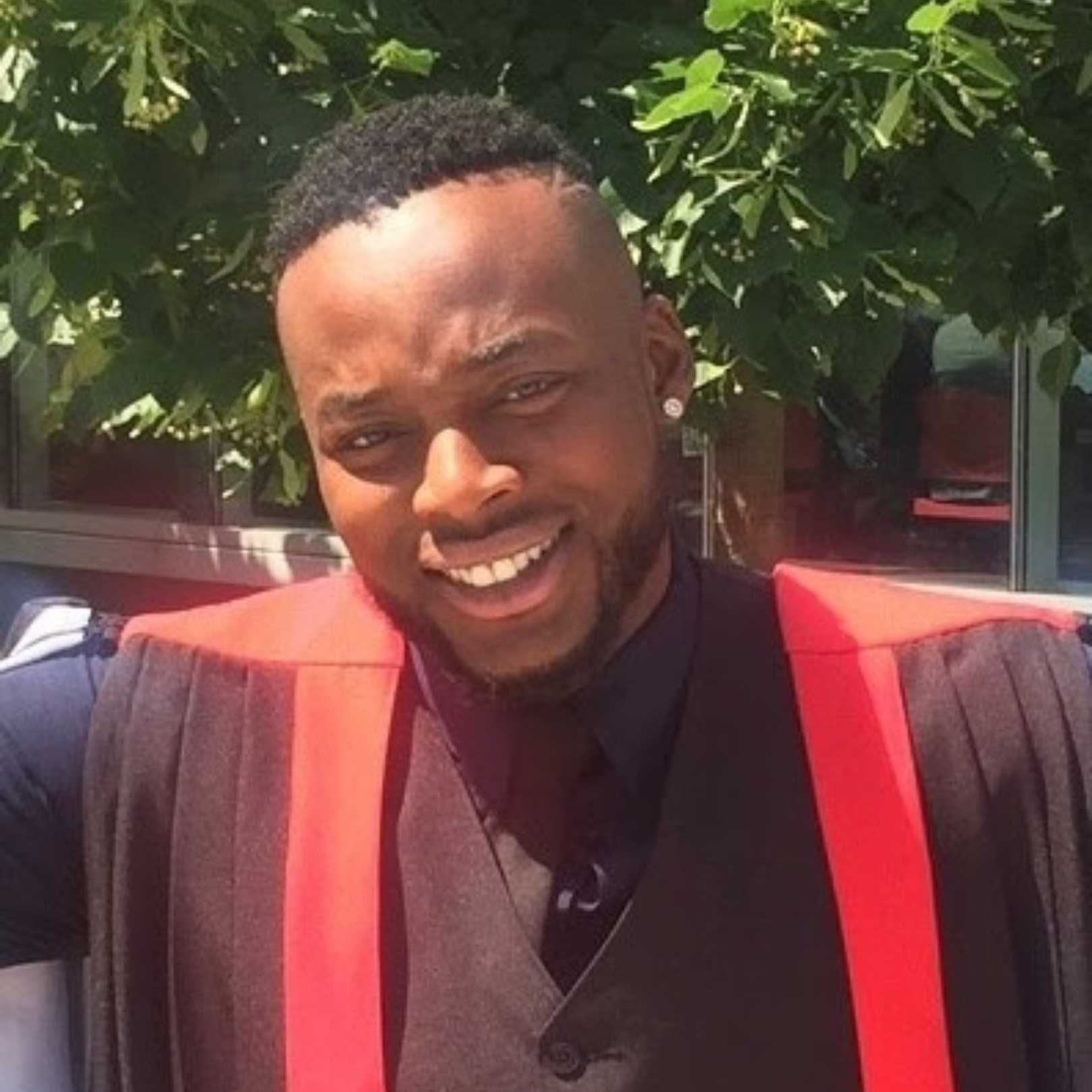
“Attending Algoma University has been a great experience for me. The faculty in at the School of Social Work are outstanding and are truly supportive on all fronts. The program itself has allowed me to grow as a person, and into the social worker I want to be.”
Andre Barnett
Alumni, BSW
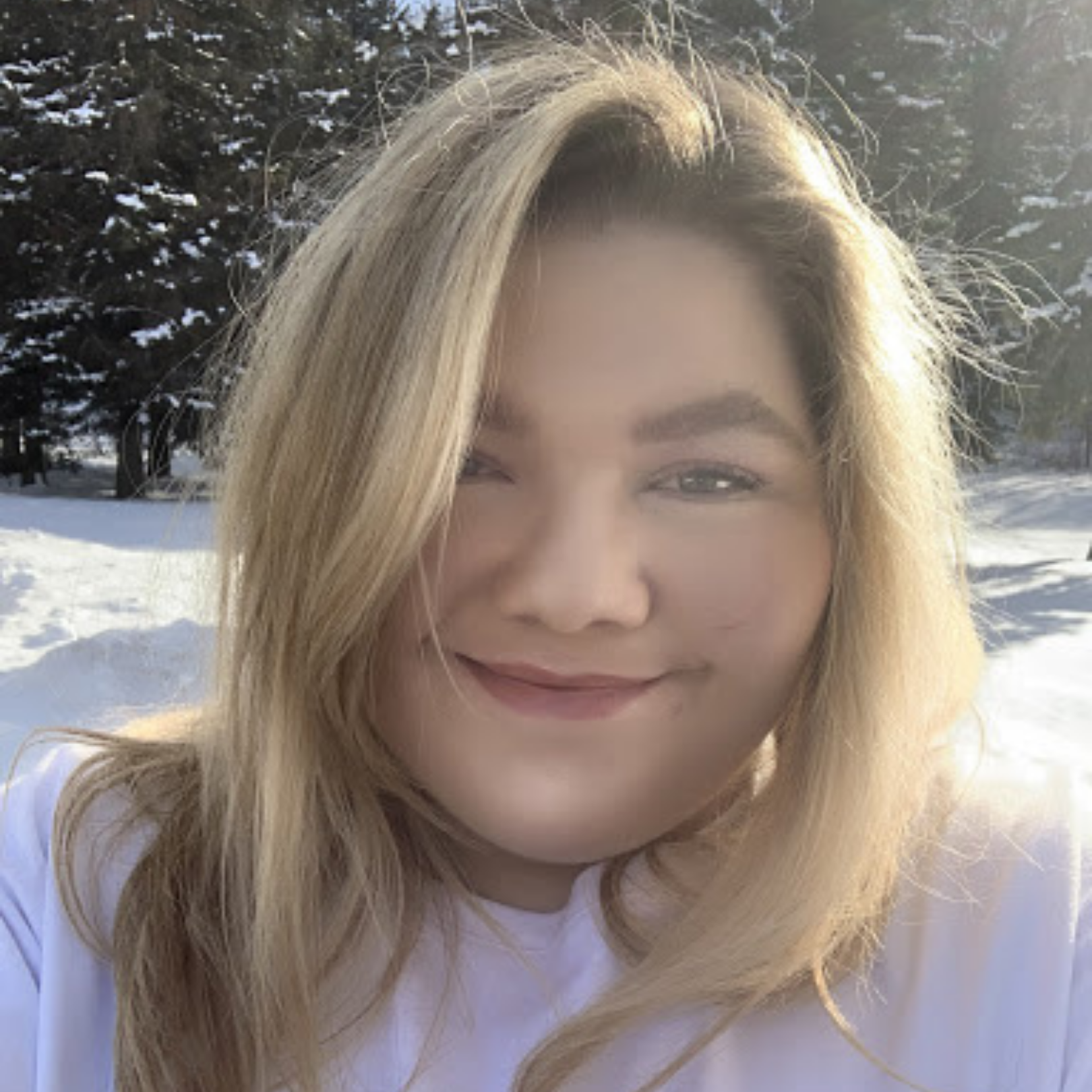
“I believe this is a program that embraces diversity and encompasses what society can become. As a student who is actively working in the social work field, I can confidently say that the BSW program's knowledge can change people's lives. ”
Sierra Mannarino
BSW
“The BSW program provides opportunities to be able to engage with students, staff and faculty in ways that create relationships and dialogue that promote inclusivity, critical thinking, and social justice. I have been able to draw upon the information provided in various courses to develop methods of practice with individuals, families, and communities in various social contexts.”
Tara Burrell
Alumni, BSW

“Algoma University has provided me with a culturally rich experience beyond education. The program enriched my development by allowing me to be myself, a young man trying to figure out his purpose and where he belongs.”
Michael Dhliwayo
Alumni, BSW